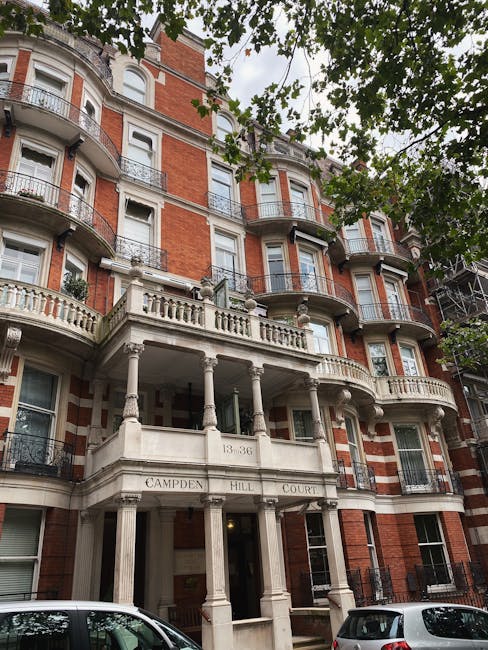
Avoid hidden removals charges in Kensington what to know
Moving house in Kensington can feel straightforward on paper, then suddenly get complicated the moment a quote turns into a bill. If you are trying to avoid hidden removals charges in Kensington, the main thing to know is this: the cheapest headline price is not always the final price. Stairs, parking, wait times, packing materials, and access problems can all change the total if they are not explained clearly up front.
This guide breaks down what hidden removals charges usually look like, how they creep in, and what you can do before move day to keep everything honest and predictable. It is written for anyone moving a flat, townhouse, studio, or family home in the area, especially if you want fewer surprises and a calmer day overall. Let's face it, moving is stressful enough without a "small additional fee" appearing at 5pm.
We will also cover practical checks, a comparison of common quote types, a simple step-by-step approach, and a realistic checklist you can use before you book. If you want a clearer starting point, you can also review transparent pricing and quote information and read the company's terms and conditions before you agree to anything.
Table of Contents
- Why this matters in Kensington
- How hidden removals charges appear
- Key benefits of a clear removals quote
- Who needs this and when it makes sense
- Step-by-step guidance
- Expert tips for better results
- Common mistakes to avoid
- Tools, resources and recommendations
- Law, compliance, standards and best practice
- Options and comparison table
- Case study or real-world example
- Practical checklist
- Conclusion
- Frequently asked questions
Why this matters in Kensington
Kensington is not a simple "drive up, load the van, job done" kind of area. Streets can be busy, access may be tight, parking can be awkward, and many properties have narrow staircases, basement levels, or lift restrictions. Those details matter because they affect the time and labour needed on the day.
Hidden charges often show up when a removals company prices for the easy version of the move, then adds extras once they discover the real one. Maybe the lift is out. Maybe the sofa will not fit around the corner. Maybe the van must park further away than expected. None of that is unusual, but it should be discussed before anyone commits.
For a local move, that clarity is especially valuable. Kensington customers often want a service that feels tidy, reliable, and properly explained from the start. A clear quote protects your budget and makes it easier to compare providers on a like-for-like basis. Without it, you are comparing apples and pears. And that rarely ends well.
Practical takeaway: if a removals quote sounds unusually low, ask what is included, what is excluded, and what would trigger an extra charge. A good answer should be specific, not vague.
You can also check a company's wider trust signals, such as its about us information, insurance and safety details, and health and safety policy. Those pages do not tell you everything, but they do show whether the business takes professionalism seriously.
How hidden removals charges appear
Hidden removals charges usually come from one of two places: incomplete information before the quote, or unclear terms after the quote. In plain English, the mover prices the job on assumptions, then bills the extras when the assumptions turn out to be wrong.
Here are the most common ways this happens:
- Access fees: extra labour or time for stairs, long carries, tight hallways, or no lift access.
- Parking difficulties: where loading has to happen further from the property than planned.
- Time-based overages: charges when the job runs longer than the included window.
- Packing add-ons: materials or packing labour that were not included in the headline rate.
- Special handling: items such as pianos, art, awkward wardrobes, or fragile pieces.
- Storage or waiting charges: if keys are late, access is delayed, or belongings need temporary holding.
- Unclear minimums: small jobs priced as if they were large ones, with a minimum charge that is not obvious.
That does not mean every extra charge is unfair. Sometimes the job genuinely changes. The issue is whether you were told, in writing, what counts as an extra and how it is calculated. That's the bit people often miss.
When reviewing a quote, look for plain language. A good provider should tell you whether the price is fixed, estimated, or subject to inspection. If the job needs a survey, ask whether that is remote, in person, or based on photos. A quick video walk-through can save a lot of back-and-forth later, and honestly, it tends to reduce friction on both sides.
If payment terms matter to you, it is sensible to read the company's payment and security information as part of your decision. It helps you understand when payment is taken, what methods are accepted, and how securely your details are handled.
Key benefits of a clear removals quote
Knowing how to avoid hidden removals charges is not just about saving money, although that is obviously nice. It also makes the whole move calmer and more manageable. A clear quote gives you a better grip on the day, which matters more than people expect until they are standing by a front door with a kettle, three boxes, and a clock ticking.
- Budget certainty: you know the likely total before the move starts.
- Fewer disputes: fewer awkward conversations about "unexpected" extras.
- Better comparison: you can compare movers on a genuine like-for-like basis.
- Less stress: the move day feels more controlled and less improvised.
- Better planning: you can prepare access, packing, and parking in advance.
- More trust: a transparent company often feels easier to deal with from the first call.
There is also a practical benefit that gets overlooked: when a removals company knows you are asking careful questions, it tends to quote more carefully. No drama. Just better habits. In our experience, that small shift changes the tone of the entire booking.
Who this is for and when it makes sense
This matters for almost anyone moving in Kensington, but it is especially useful if any of the following apply:
- You live in a flat with stairs, a lift, or shared access.
- Your property is on a narrow or busy street with difficult parking.
- You are moving valuable, fragile, or bulky items.
- You are comparing multiple removals quotes and want to choose fairly.
- You are on a tight budget and cannot afford surprises.
- You are moving on a specific date and need the schedule to stay tight.
It is also relevant if you are a landlord, tenant, homeowner, or office manager arranging a move that needs coordination. The same hidden-charge patterns show up in different forms. A tenant might get stung by waiting time. A homeowner might be hit by packing fees. A small business might discover that access issues were never factored into the quote. Different move, same headache.
There is no shame in asking detailed questions. Quite the opposite. The careful customer is often the customer who ends up with the smoothest day.
Step-by-step guidance
If you want to avoid hidden removals charges in Kensington, use a simple process rather than relying on instinct. Here is a sensible route.
1. Describe the move properly
Be specific from the start. List the number of rooms, stairs, lifts, parking issues, fragile items, and any unusually large furniture. If the move involves basement access, a courtyard, or a long internal walk, say so. These details are not noise; they are the quote.
2. Ask for a written quote
Verbal estimates are easy to misunderstand. A written quote should state what is included, what is not included, and what could cause the price to change. If anything sounds slippery, pause. That little pause can save a lot of trouble later.
3. Check whether the quote is fixed or estimated
A fixed quote is different from an estimate. An estimate can move if the job changes, while a fixed quote should be based on the agreed scope. Neither is automatically better, but you need to know which one you are getting. Ask directly. It is a fair question.
4. Confirm the extras before move day
Ask about packing materials, dismantling and reassembly, waiting time, long carries, and special item handling. Do not assume they are included. If they are included, fine. Get that written down. If they are not, ask how they are charged.
5. Check access and parking in advance
Think like the driver. Where will the van stop? How far is the carry from the property to the vehicle? Is there loading access? Will a permit or restriction apply? In a place like Kensington, this is not a minor detail. It can be the difference between a clean job and a painful surcharge.
6. Review the terms before paying a deposit
Read the cancellation, rescheduling, and payment terms carefully. Also check whether the company explains complaint handling clearly. If something goes wrong, you want to know the process in advance rather than after the fact. A readable complaints procedure is a good sign.
7. Keep everything in one place
Save emails, quote versions, photos, and any notes from calls. It does not need to be fancy. A folder on your phone will do. When there is a question on the day, written detail is your best friend. Not glamorous, but effective.
Expert tips for better results
There are a few habits that consistently help people avoid hidden removals charges, and they are all pretty straightforward.
- Send photos or a video walkthrough: this helps identify access problems early.
- Ask what "standard service" really means: standards vary more than people think.
- Confirm time windows: if arrival or completion matters, say so clearly.
- Request item-specific questions: wardrobes, glass tables, and appliances often need special handling.
- Check insurance and handling: make sure the company explains how it manages risk and protection.
- Think about waste removal: if you want to dispose of items responsibly, ask about recycling and sustainability practices.
One small tip that helps more than you might expect: ask, "What would make the price go up on the day?" That question tends to flush out the vague stuff fast. If the answer is clear, good. If it sounds improvised, that tells you something too.
You should also check whether the business gives a clear explanation of how it protects goods in transit and how it manages safety. The insurance and safety information page can help you understand the basics before you book.
Common mistakes to avoid
Most hidden-charge problems are avoidable, but people do fall into the same traps. It happens. Moving day makes everyone a little too willing to skim the details.
- Choosing only by headline price. The cheapest quote can become the most expensive by the end.
- Leaving access details out. If you do not mention stairs, parking, or a lift restriction, the quote may be incomplete.
- Assuming packing is included. It often is not, at least not in full.
- Not asking about waiting charges. A delayed key handover can be costly.
- Ignoring the small print. The terms may look dull, but they carry real weight.
- Failing to compare like-for-like. Two quotes can look similar while covering very different services.
- Booking too late. Rushed bookings tend to reduce flexibility and increase the chance of unclear assumptions.
There is a simple truth here: the more rushed the booking, the more likely the extra charges. Not always, but often enough to matter.
Tools, resources and recommendations
You do not need a complicated toolkit to manage this well. A few basic tools and habits are enough.
- A room-by-room inventory: a quick list of furniture, boxes, and fragile items.
- Photos of awkward items: especially if something has to be moved down stairs or through tight spaces.
- A simple measurement note: tall wardrobes, long sofas, and narrow doors are worth checking.
- Access notes: floor level, lift size, parking distance, and time restrictions.
- A quote comparison sheet: one row per company, with columns for inclusions, exclusions, and extra charges.
For trust and administration, it can also help to review the company's privacy policy so you know how your personal information is handled, and the contact page if you need to ask a clarifying question before confirming anything.
If you are trying to understand the business itself, the about us page is another useful stop. It gives context about who you are dealing with, which matters more than people admit when they are choosing a mover in a hurry.
Law, compliance, standards and best practice
Without getting too heavy about it, removals companies in the UK should operate with clear consumer-facing information, fair trading practices, and sensible safety procedures. You do not need to be a legal expert to protect yourself, but you do need to know what "good practice" looks like.
In practical terms, that means:
- quotes should be understandable rather than deliberately ambiguous;
- terms and conditions should explain charges, cancellations, and responsibilities;
- insurance and handling arrangements should be described clearly;
- personal data should be processed responsibly;
- safety procedures should reflect the risks of lifting, loading, and access work.
If a company cannot explain how it handles payments, job changes, or complaints in plain English, that is a warning sign. A proper removals service should make the process feel controlled, not mysterious. The company's payment and security page and terms and conditions are worth reading before you sign anything.
Also, if the move involves bulky lifting or awkward access, safety is not just a box-tick. It protects both your belongings and the people handling them. Reasonable care should be part of the service, not a bonus.
Options and comparison table
One of the easiest ways to spot hidden fees is to compare quote styles, not just prices. Here is a simple comparison.
| Quote type | What it usually means | Risk of hidden charges | Best for |
|---|---|---|---|
| Very low headline estimate | Attractive starting figure with limited detail | High | Only if every assumption is written down clearly |
| Estimated quote with conditions | Price may change if access, volume, or timing differs | Medium | Moves where the scope may still evolve |
| Fixed quote after survey | Based on agreed scope and access details | Lower | People who want more certainty |
| Itemised quote | Breaks down labour, packing, access, and extras separately | Lower to medium | Anyone comparing value carefully |
In real life, the best choice is not always the lowest number. It is the quote that explains the most. That sounds obvious, but people still get tripped up by the shiny first figure. Happens all the time.
Case study or real-world example
Imagine a couple moving from a second-floor flat in Kensington to a nearby property a few streets away. The first quote they receive is cheap, quick, and cheerful. No survey. No questions. No mention of access.
Then they realise the building entrance is shared, the lift is small, and parking outside is limited to a short loading window. One sofa is awkwardly oversized, and a glass cabinet needs careful handling. The initial quote starts looking less like a bargain and more like a guess.
They pause, gather photos, note the lift dimensions, and ask for a revised written quote. This time the mover explains the labour required, the access limitations, and the possible impact of waiting time. The final price is higher than the first headline number, but it is honest. No end-of-day surprise. No gritted-teeth conversation on the pavement.
That is the point, really. A clear quote may not always be the cheapest, but it is often the one that keeps the move calm.
Practical checklist
Use this checklist before you confirm a removals booking in Kensington.
- Have I listed every room and the main items to be moved?
- Have I mentioned stairs, lift access, basement levels, and long carries?
- Have I checked parking, loading restrictions, and likely walking distance?
- Do I know whether the quote is fixed or estimated?
- Have I asked what is included in labour, packing, and dismantling?
- Do I understand any extra charges for delays, waiting time, or special items?
- Have I read the terms and conditions carefully?
- Have I reviewed payment, insurance, and complaint details?
- Have I saved all written communication in one place?
- Am I comparing quotes on the same scope, not just the same price?
If you can tick most of those boxes, you are in a much stronger position. Not perfect, perhaps, but solid. And solid is what you want on moving day.
Conclusion
To avoid hidden removals charges in Kensington, focus on detail, not guesswork. The best quotes are the ones that explain access, timing, packing, and extra services clearly before the van turns up. That way, you are choosing with confidence instead of hoping the bill behaves itself.
Keep your move simple: describe the job honestly, ask direct questions, compare quotes properly, and read the terms. If something feels unclear, ask again. A good company will not mind. In fact, it usually signals you are the kind of customer who helps the process go smoothly.
Get a free quote today and see how much you can save.
And if you are still weighing up providers, take a calm look at the details, trust your instincts, and choose the option that feels clear rather than clever. That is usually where the real value is.
Frequently Asked Questions
What are hidden removals charges?
Hidden removals charges are extra fees that were not clearly explained at the quote stage. They can include waiting time, access difficulties, packing materials, long carries, or special handling charges.
How do I avoid hidden charges when moving in Kensington?
Give full details about your property, ask for a written quote, confirm what is included, and check the terms before you book. Photos or a video walkthrough can also help reduce surprises.
Is a fixed quote better than an estimate?
Usually, a fixed quote gives more certainty, but only if the scope has been described properly. An estimate can still work well if you understand the conditions that might change the price.
Why are removals in Kensington sometimes more complicated?
Kensington properties often involve restricted parking, narrow access, stairs, shared entrances, or small lifts. Those details can affect time and labour, which is why accurate quoting matters.
Should packing materials be included in the quote?
They sometimes are, but not always. Ask specifically whether boxes, tape, wrapping, and labour are included, and get the answer in writing if possible.
What should I ask before paying a deposit?
Ask whether the price is fixed or estimated, what counts as an extra charge, what the cancellation terms are, and how payment is handled. It is also sensible to check insurance and complaint procedures.
Can I be charged more if the move takes longer than expected?
Yes, some removals jobs include time-based terms or waiting charges. This is why it is important to discuss access, keys, and parking in advance so the move does not drift.
How do I compare two removals quotes fairly?
Compare the scope, not just the headline total. Check labour hours, packing, dismantling, access assumptions, insurance, and any extra fees. Two similar-looking prices can cover very different services.
What if I notice a possible hidden fee after booking?
Raise it early and ask for clarification in writing. If you are unsure how the company handles complaints, its complaints procedure should explain the next steps.
Do removals companies have to explain their terms clearly?
They should provide clear, understandable terms and conditions so customers know what they are agreeing to. If the wording is vague or confusing, that is a warning sign worth taking seriously.
Are insurance and safety details worth checking for a local move?
Yes. Even a short move can involve lifting, narrow access, and the risk of accidental damage. It is sensible to check how the company approaches safety and what its insurance covers.
What is the single best way to prevent surprise costs?
Give complete information upfront and ask for a fully written breakdown of what is included and excluded. That one step removes a lot of uncertainty. Simple, but very effective.