Kensington Olympia removals tips for restricted driveways
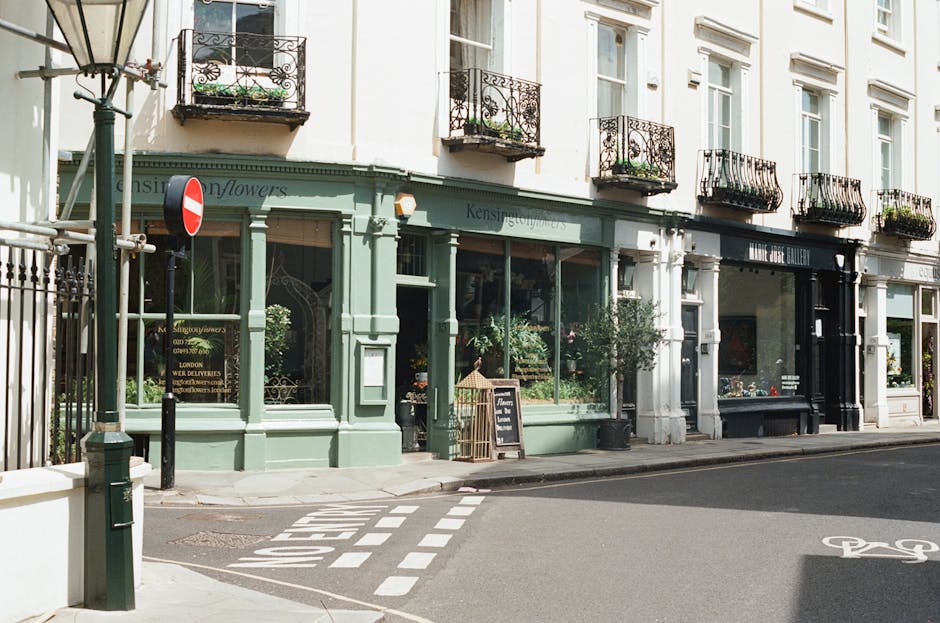
Moving in Kensington Olympia can be straightforward on paper and awkward in real life. Narrow streets, tight frontages, controlled parking, and a driveway that barely fits a small van can turn a simple removals day into a slow, stressful shuffle. If you are looking for Kensington Olympia removals tips for restricted driveways, you are in the right place. This guide breaks down how to plan around limited access, what to ask your removals team, and how to avoid the little mistakes that cause big delays.
Truth be told, most moving problems in this part of London are not about lifting boxes. They are about access. Can the van stop safely? Can the team unload without blocking traffic? Will there be enough room to turn, reverse, or carry furniture through a narrow gap? Those questions matter more than people expect. The good news is that with the right preparation, a restricted driveway does not have to derail the move.
Below you will find a practical, local-focused guide covering planning, timing, equipment, compliance, and a realistic step-by-step approach. A quiet Saturday morning can still become a smooth move if the access plan is handled properly. Let's make it easier.
Why Kensington Olympia removals tips for restricted driveways Matters
Kensington Olympia has the kind of streets where a standard moving plan can fall apart quickly. You might have a driveway, yes, but it may be short, steep, shared, partially obstructed, or awkwardly aligned with the road. Sometimes a van can technically stop there, but the angle makes loading clumsy. Sometimes the driveway is fine for a car and hopeless for a removals vehicle. That difference changes everything.
Restricted access affects more than convenience. It affects timing, labour, vehicle choice, packing order, and even the risk of damage. If a van cannot get close enough to the property, crews have to carry items further, navigate steps or tight corners, and work around pedestrians, neighbours, or parked cars. That means more handling, more chance of delay, and more chance of something being knocked or scratched. Nobody wants that on moving day.
There is also the local reality to consider. In busy parts of West London, kerb space can disappear in minutes. One delivery vehicle, one school run, one neighbour who has just popped out for "five minutes" and suddenly your unloading window is gone. A good removals plan takes that into account rather than hoping for the best.
Key point: when driveway access is restricted, the move becomes a logistics job, not just a lifting job. That is the mindset that keeps things calm.
How Kensington Olympia removals tips for restricted driveways Works
The process usually starts before anyone touches a box. First, the move needs an access assessment. That can be informal, based on photos or a quick call, or more detailed if the driveway is unusually tight. The aim is simple: work out whether a removals van can park, reverse, turn, or unload safely at the property.
Once the access picture is clear, the moving team can plan the vehicle size, crew size, and load sequence. Smaller vans or a shuttle-style approach may work better than one large lorry. In some cases, the team will use a smaller vehicle close to the house and move items to a larger vehicle parked elsewhere. It sounds fiddly, but it is often the least stressful option.
You will also need to think about the order of the move. Fragile items, bulky furniture, and frequently needed essentials should be separated so they are easy to reach. If the driveway is narrow, you do not want the first five items unloaded to be the heaviest wardrobe, the plant pot, and a box of winter coats. That just creates a bottleneck. Better to stage things in a sensible sequence.
In practical terms, the work usually looks like this:
- Check measurements, photos, and access restrictions.
- Choose a suitable van size or mixed-vehicle approach.
- Plan parking, loading points, and walking routes.
- Prepare packing so the first items out are the easiest to place.
- Keep the driveway and front path clear on the day.
Sounds simple enough. The trick is getting each small piece right.
Key Benefits and Practical Advantages
When you plan properly for a restricted driveway, you do not just avoid hassle. You get a move that feels calmer from start to finish. That may sound a bit idealistic, but it is usually true.
- Less chance of vehicle problems: A properly matched van is less likely to block the road, scrape walls, or get stuck on a tight turn.
- Faster loading and unloading: If the route from van to property is thought through, the team can work with fewer pauses.
- Lower damage risk: Fewer awkward lifts through narrow gaps means fewer knocks to furniture, door frames, or paintwork.
- Better crew efficiency: The right number of movers can keep items moving in a steady flow rather than waiting around.
- Less neighbour friction: A clear, tidy access plan is usually better for everyone on a tight street.
There is a softer benefit too. You feel more in control. Moving day can make anyone a bit tense, especially if the front of the property looks tight and the van arrives before you have finished your tea. Once the logistics are sorted, that anxiety drops. Quite a lot, actually.
If you are also coordinating storage during the move, it can help to review options like removals and storage or a more flexible mobile self storage setup, especially if driveway access means items may need to be moved in stages.
Who This Is For and When It Makes Sense
This advice is relevant if you live in a flat, a terraced house, a converted property, or a home with a driveway that is technically there but not especially usable for a larger removals vehicle. It is also useful for landlords, tenants, downsizers, and small businesses moving from a premises with limited forecourt space.
It makes particular sense if any of the following apply:
- Your driveway is short, narrow, steep, or shared.
- There is low-hanging foliage, a tight gate, or a sharp access angle.
- On-street parking is limited or controlled.
- The property sits on a busy road where stopping is awkward.
- You have large furniture that may need careful dismantling or planning.
- You are moving during a busy time of day and want to minimise disruption.
If that sounds familiar, you are not overthinking it. You are simply seeing the move as it really is. A lot of people only notice the access issue when the van arrives. By then, well, it is a bit late.
For smaller loads or tighter access, a man and van approach or a small removals service may be more practical than a full-size vehicle. The right choice depends on your furniture, your street, and how much walking distance is involved.
Step-by-Step Guidance
Here is a simple, real-world way to prepare for a restricted-driveway move in Kensington Olympia. Keep it practical. Do not make it a project management novel.
1. Measure the access, not just the rooms
People usually measure sofa dimensions and box counts, which is sensible, but access matters just as much. Measure driveway width, gate width, length, height clearance, and any tight corners. If you can, note whether the van would need to reverse in or out. A quick video on your phone can be very useful here.
2. Photograph the route from street to front door
Take clear photos of the driveway, the front path, steps, gate, and any obstacles like bins, railings, or planters. Include wide shots and closer detail. In our experience, photos help removals teams judge the job more accurately than a vague "it's a bit tight" description.
3. Decide whether parking on-site is realistic
Sometimes a van can park comfortably. Sometimes it cannot. If on-site parking is unrealistic, work out where the vehicle can stop nearby and how far items will need to be carried. That walking distance matters. A lot more than people think.
4. Match the vehicle to the property
A smaller van can be a blessing on a restricted driveway. It may mean more trips, but fewer access problems. A larger vehicle may work better if the road allows easier loading nearby. The ideal choice depends on your route, not just your volume.
5. Pack with the access route in mind
Label boxes by room, but also by priority. Keep essentials separate. Make sure heavy items are easy to lift first. If the route is awkward, pack fragile items so they are not buried under awkward shapes that take forever to manoeuvre.
6. Clear the driveway and front approach fully
Move bins, bikes, pots, and anything else that could narrow the path. Open gates in advance if safe to do so. A tidy route saves time and reduces the chance of damage. It also makes the place look less chaotic, which helps on a stressful morning.
7. Agree the loading order before the van arrives
Tell the team which items are most delicate, which pieces need dismantling, and which boxes should go near the end so they are easy to find at the other end. If items are being stored, make that clear early so they are loaded accordingly.
8. Build in a little time buffer
Restricted access almost always takes longer than open access. Even when everything goes well, there may be a pause while the van is positioned or while a neighbour moves a car. Giving yourself margin removes pressure. And yes, that extra margin is usually worth it.
Expert Tips for Better Results
These are the small things that often make the difference between a tolerable move and a decent one. Not glamorous, but very useful.
- Use floor protection early: If the route involves narrow halls or a slightly muddy driveway, protect the surfaces before the heavy lifting starts.
- Keep one access person outside: One person should focus on doors, gates, and vehicle positioning while others handle the load. It stops confusion.
- Dismantle bulky furniture in advance: A bed frame that is awkward in one piece can become manageable in sections. Same story for some wardrobes and tables.
- Avoid last-minute parking assumptions: Do not rely on "we'll probably fit." In Kensington Olympia, probably is not a plan.
- Protect turning points: Corners, brick pillars, and gate edges are the places where scuffs happen. Watch those closely.
One sensible habit is to walk the route yourself the night before with your phone flashlight if needed. You notice different things after dark: low walls, uneven paving, and little trip hazards that disappear in daylight. A small bit of attention now can save a lot of noise later, that thud you never want to hear.
If you are handling office equipment or work files as well as household items, it may be worth looking at office removals or document storage where relevant, especially if access restrictions mean a staggered move is more sensible.
Common Mistakes to Avoid
Most access-related moving issues come from a few avoidable assumptions. The good news is they are easy to spot once you know what to look for.
- Assuming a driveway equals easy access: A driveway can still be too narrow, too short, or too steep for a removals vehicle.
- Not checking street restrictions: Controlled parking, loading limits, and road width can all affect the plan.
- Booking the wrong vehicle size: A van that is too large can create more trouble than it solves.
- Leaving bins, bikes, or planters in place: Small obstacles often cause the most frustration.
- Failing to separate essentials: If tea bags, chargers, and toiletries are buried in a mystery box, the first evening gets awkward fast.
- Underestimating carry distance: Even a short walk from street to door can feel long when repeated dozens of times.
One especially common slip is forgetting to tell neighbours. On a busy London street, a polite heads-up can prevent a parked car from blocking the one gap you need. It is a small thing, but it can save the whole morning from wobbling.
Tools, Resources and Recommendations
You do not need specialist equipment for every move, but the right basics make restricted-driveway jobs much smoother. Think practical, not fancy.
| Tool or resource | Why it helps | Best used for |
|---|---|---|
| Measuring tape | Confirms driveway width, gate gaps, and furniture sizes | Planning access and vehicle fit |
| Phone camera or video | Shows slopes, corners, and obstacles clearly | Sharing access details with the removals team |
| Furniture blankets and covers | Protects items and door frames during tight manoeuvres | Fragile or bulky pieces |
| Labels and colour markers | Makes room-by-room unloading easier | Busy moves with multiple stops |
| Floor protection | Reduces dirt, scuffs, and accidental marks | Narrow halls and wet weather days |
| Secure storage option | Helps if access delays force a staged move | Complex or split moving days |
For households needing short-term overflow space, short-term storage can take the pressure off when the driveway is too tight to unload everything in one go. For longer transitions, long-term storage may be more sensible. And if you need a full domestic service, house removals is the more natural fit.
It is also worth looking at packing services if time is tight. A well-packed box is easier to carry, stack, and protect when the driveway is doing its best to be awkward.
Law, Compliance, Standards, or Best Practice
There are a few practical compliance points to keep in mind. This is not about making the move legalistic; it is about avoiding preventable problems. If the removals vehicle needs to stop on a public road, parking restrictions, loading rules, and traffic conditions may affect what is possible. Local conditions in Kensington Olympia can be tight, and the safest approach is usually to plan conservatively rather than assume a quick stop will be fine.
Property access also brings responsibility for health and safety. A moving team should think about manual handling, trip hazards, safe lifting, and clear walkways. The same applies to you and anyone helping on the day. If the driveway is steep, wet, or uneven, it needs extra care. Common sense goes a long way here, even if it is not especially glamorous.
From a best-practice point of view, clear communication matters. The move should be based on accurate information, not guesswork. If a company asks for photos, measurements, or details about restrictions, that is a good sign. It means they are trying to plan properly rather than improvising at the kerbside.
You may also want to check insurance and safety information before booking, especially if the property has tight access, expensive furniture, or shared spaces. For added peace of mind, review the company's insurance and safety approach and its published health and safety policy. These documents do not replace good judgement, but they do show how the business thinks about risk.
If the move involves a broader business setup, business storage and office storage may help with phased relocation. That can be a relief when access is limited and timing is a bit messy. Which, let's face it, it often is.
Options, Methods, or Comparison Table
Different access setups call for different moving methods. There is no single best answer, but there is usually a better fit.
| Method | Best for | Pros | Trade-offs |
|---|---|---|---|
| Large van or lorry at the property | Wider driveways and easier roadside access | Fewer trips, efficient loading | May not fit on restricted streets |
| Smaller van close to the door | Narrow driveways and tight approaches | Easier access, less risk of blockage | More trips may be needed |
| Shuttle transfer | Properties with poor on-site access | Flexible, practical in busy areas | Extra handling and coordination |
| Staged move with storage | Complex moves or uncertain timing | Reduces pressure on moving day | Requires extra planning and storage cost |
| Man and van | Smaller loads or limited access | Flexible and often well suited to local moves | May not suit large family homes |
If you are trying to choose between methods, the key question is not "which is cheapest?" It is "which one fits the property without causing drama?" That is a much better filter. Sometimes the cheapest option becomes expensive once delays, extra labour, or damage risk are added in.
Case Study or Real-World Example
Here is a realistic scenario. A couple moving from a Kensington Olympia terrace had a driveway that looked fine for a car but awkward for a removal van. The entrance was slightly narrow, the pavement outside was busy, and there was no reliable space to leave a vehicle on the road for long. They were nervous about it, understandably.
Instead of booking the biggest van available, they shared photos and measurements in advance. The removals team suggested a smaller vehicle for the property approach, plus a tidy loading plan that kept the heaviest pieces closest to the door. They also packed one essentials box each for the first night and arranged their furniture in the order it would be needed.
On the day, the van did not sit in the driveway all day. That was the point. It stopped, loaded in sensible bursts, and moved on. There were still a few pauses, of course - one neighbour car and a bin collection always seem to appear at the least convenient moment - but the move stayed controlled. No scrapes, no rushed lifting, no tense shouting from the gate. Just a normal, slightly noisy moving day, which is really all most people want.
The lesson? Restricted driveways are not a deal-breaker. They just need a more thoughtful method. Once that is in place, things tend to settle down.
Practical Checklist
Use this checklist the day before and the morning of your move. It is simple, but it catches the usual trouble spots.
- Measure driveway width, gate width, and any low clearances.
- Take photos or a short video of the access route.
- Confirm whether a van can park legally and safely nearby.
- Tell the removals team about steps, slopes, shared access, or tight corners.
- Clear bins, bikes, planters, and other obstacles from the route.
- Label boxes clearly by room and priority.
- Pack one essentials box for the first night.
- Protect floors and vulnerable door frames if needed.
- Keep keys, documents, chargers, and valuables with you.
- Leave a little timing buffer for access delays or parking changes.
Quick summary: measure first, communicate early, choose the right vehicle, and keep the route clean. That combination solves most restricted-driveway issues before they become actual problems.
Get a free quote today and see how much you can save.
Conclusion
Kensington Olympia removals tips for restricted driveways come down to preparation, realistic vehicle planning, and calm communication. The street may be tight, the driveway may be narrow, and the parking may be annoying, but none of that has to turn the move into a headache. Once you know what the access really looks like, you can choose the right method and avoid the traps that catch rushed movers out.
If you remember only one thing, make it this: the move is not just about where your things are going, but how they get there. That is the bit that keeps the day smooth.
Take your time with the planning, ask the practical questions, and do not be shy about explaining the awkward bits. The awkward bits are the whole story. Handle those well and the rest usually falls into place.
And honestly, there is a certain relief in watching a well-planned move unfold on a busy London street. Quietly satisfying, really.
Frequently Asked Questions
How do I know if my Kensington Olympia driveway is too restricted for a removals van?
If the driveway is narrow, steep, short, or bordered by walls and tight gates, it may not suit a larger van. Photos and measurements usually make the answer clear. If you are unsure, send the details before moving day rather than hoping it works out.
What is the best vehicle for a restricted driveway move?
It depends on the access, not just the amount of stuff. A smaller van or a shuttle-style approach often works better than one large vehicle when the driveway is tight or the street is busy.
Should I book a full removals service or a man and van for a tight property?
For smaller loads or awkward access, a man and van or small removals service can be a better fit. For larger homes, a full removals team may still be the right choice, especially if the route needs more careful handling.
Can a removals company move my furniture if the van cannot get onto the driveway?
Yes, often they can. The team may unload from the street or use a smaller vehicle closer to the property. The key is making sure they know the access limits in advance.
What should I measure before booking a move with restricted access?
Measure driveway width, gate width, turning space, and any height restrictions. Also note steps, slopes, and any obstacles along the path from the road to the door.
How far in advance should I warn the removals team about driveway restrictions?
As early as possible. Ideally, mention it when requesting the quote and follow up with photos if needed. Early notice helps with vehicle choice, crew planning, and timing.
Do I need to speak to neighbours before moving day?
It is often a good idea, especially on a tight street. A friendly heads-up can reduce the risk of someone leaving a car in the exact spot you need. Not always necessary, but often helpful.
Will restricted driveway access make my move more expensive?
It can, because it may require more labour, a smaller vehicle, more time, or a shuttle approach. The exact cost depends on the job, so it is best to get a quote based on the actual access conditions.
What if there is no safe place for the van to stop near my property?
Then the move may need a different method, such as a smaller vehicle, staged loading, or storage. This is where careful planning matters most. It is better to change the method than force a bad parking situation.
Can packing services help with restricted driveway removals?
Yes. Good packing makes items easier to carry, stack, and protect, which is especially useful where access is awkward and every trip matters. It can also reduce delays on the day.
What should I keep with me during a move with restricted access?
Keep keys, documents, medications, chargers, valuables, and one essentials box with you. When access is tight, you do not want to be searching through stacked boxes for something you need straight away.
What is the biggest mistake people make with restricted driveway moves?
The biggest mistake is assuming the driveway will "probably be fine" without checking measurements, parking options, and vehicle size. That one assumption causes a surprising amount of moving-day stress.