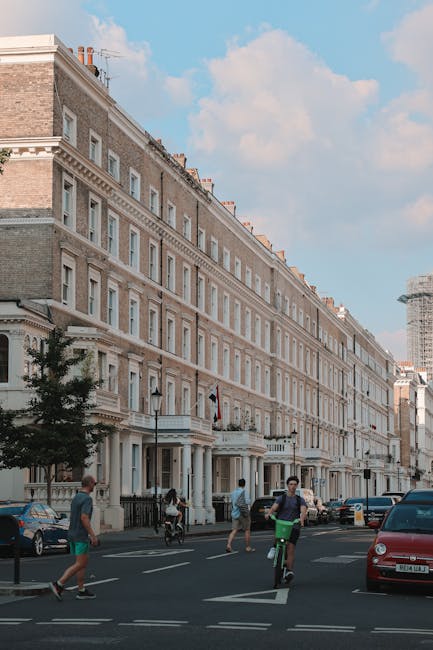
South Kensington Moving Service Tips Near Gloucester Road: A Practical Guide for a Smoother Local Move
If you are planning a move in South Kensington and your pickup or drop-off sits near Gloucester Road, a little local know-how goes a long way. The streets may look elegant on a map, but anyone who has tried to manoeuvre a van, a sofa, and a stressed-out schedule through this part of London knows it can be a touch more complicated than it first appears. Tight kerbs, busy junctions, apartment blocks with awkward lifts, and building rules that seem to appear from nowhere - all of it can affect the day.
This guide on South Kensington moving service tips near Gloucester Road is designed to help you plan properly, avoid common headaches, and make sensible decisions before moving day. You will find practical steps, local considerations, a comparison of moving options, and a realistic checklist you can actually use. If you want to compare service types while you read, it may also help to look at removals in South Kensington or broader house removals support for context.
Truth be told, the best moves in this part of London are rarely the most dramatic ones. They are the ones that are quietly organised.
Why South Kensington moving service tips near Gloucester Road Matters
Moving in South Kensington is not the same as moving in a suburban estate with wide driveways and easy parking. Near Gloucester Road, the realities of central London shape the whole experience. Roads are busier, loading space is more limited, and properties often sit in converted townhouses or mansion blocks where access can be a puzzle in itself. So the tips matter because they help you plan around the actual environment, not an idealised version of it.
In practical terms, the area can affect:
- how long loading and unloading takes
- whether a van can stop safely and legally
- the number of trips needed between property and vehicle
- how likely it is that a lift, stairwell, or corridor creates a bottleneck
- whether you need extra help for bulky furniture or fragile items
That is where local moving knowledge becomes useful. Not just any moving plan, but one shaped for a neighbourhood with busy streets, school runs, delivery traffic, and resident parking restrictions. If you are comparing service levels, it is worth understanding the difference between standard removals and more tailored options such as man and van services, especially if your move is smaller or access is awkward.
A good plan reduces stress. A better plan saves time. And in London, time usually means money as well. Simple as that.
How South Kensington moving service tips near Gloucester Road Works
At a basic level, a move works by turning a long, uncertain day into a series of smaller tasks: survey, packing, access planning, loading, transport, and final placement. The problem is that many people focus only on the packing and forget the logistics. In South Kensington, logistics are half the job.
Here is the usual flow:
- Initial assessment - You work out what is moving, from where, to where, and when.
- Access review - You check parking, entry points, lift availability, stair access, and any building restrictions.
- Service selection - You decide whether you need full removals, a smaller van service, packing help, or storage support.
- Preparation - Items are packed, labelled, dismantled if needed, and grouped by priority.
- Move day execution - The crew loads efficiently, using the most sensible route in and out of the building.
- Unloading and placement - Furniture is taken to the right rooms, and fragile items are checked before anyone leaves.
If your move involves temporary storage, or there is a gap between move-out and move-in dates, you can also explore storage solutions so the whole process stays a bit less frantic. That can be especially useful if completion dates are moving around - which, lets face it, happens more often than people would like.
The most efficient moving services are not just fast. They are calm, structured, and flexible enough to deal with surprises without turning the morning into a mess.
Key Benefits and Practical Advantages
There are some obvious benefits to planning your move well, but a few less obvious ones are worth calling out. The most immediate is reduced stress. Once access, timing, and packing are under control, the day feels manageable instead of chaotic. That matters more than people expect.
Here are the main advantages:
- Less downtime - You spend less time waiting around for parking, lifts, or missing boxes.
- Lower damage risk - Proper packing and better handling reduce scratches, breakages, and scuffed walls.
- Better cost control - A more efficient move often means fewer delays and fewer unexpected extras.
- Improved neighbour relations - Quiet, organised moving tends to cause less disruption in shared buildings.
- Smarter use of your schedule - You can arrange cleaners, handovers, and utility changes with more confidence.
There is also a subtle benefit that people overlook: confidence. If you know the day has been thought through, you make better decisions on the spot. You do not panic-pack the kettle into the wardrobe box or decide the mirror will "probably be fine" balanced on top of three chairs. We have all been there, or close enough.
Expert summary: In a dense area like South Kensington, the real value of a moving service is not only transport. It is coordination, access planning, and protecting your time when the road layout, building design, and parking situation are all working against you.
Who This Is For and When It Makes Sense
This advice is useful for a wide range of movers, not just homeowners. In fact, some of the trickiest moves in this area are small but awkward ones. A studio flat with a narrow staircase can be more demanding than a larger house with decent loading access.
This guide is especially relevant if you are:
- moving into or out of a flat near Gloucester Road station
- relocating within South Kensington or to another nearby borough
- moving a one-bedroom or studio property and need a lighter service
- handling furniture relocation for a landlord, tenant, or office
- dealing with fragile items, artwork, mirrors, or instruments
- trying to fit the move around work, school, or travel schedules
It also makes sense if you are considering whether to use a full removals team or a more compact service. Some moves genuinely need a full crew and careful packing support. Others do not. A short route, a small number of items, and straightforward access may be better suited to a leaner setup such as office removals for business relocations or a simpler domestic service for smaller loads.
If you are unsure, that is normal. The right answer usually depends on access, volume, and timing rather than just the size of the property on paper.
Step-by-Step Guidance
Moving well near Gloucester Road is mostly about preparation. The following steps are practical, not glamorous, and that is exactly why they work.
1. Start with a room-by-room inventory
Walk through each room and note large furniture, boxes, fragile items, and anything requiring disassembly. Do not forget the awkward stuff: lamps, plants, bicycles, under-bed storage, or that chair nobody wants to sit in but somehow still has to move. A written inventory helps you estimate space, effort, and time.
2. Check access before you book
Measure lifts, stairwells, door widths, and long corridor turns. Look at where a van can safely stop. In busy parts of South Kensington, access can be the difference between a smooth unload and a slow, stop-start day. If the property has shared entrances, ask about booking lifts or protecting floors and walls.
3. Choose the right moving service level
If you have a full household move, a larger removals team may be best. If you are moving only a few items or need help with transport rather than packing, a smaller service can be more efficient. For storage, packing materials, and more complex jobs, a fuller package often makes life easier. If you want to understand the range of support available, packing services can be a useful add-on, especially when time is tight.
4. Sort and label before packing gets serious
Label boxes by room and priority. Use a simple system: "kitchen - first day," "bedroom - essentials," and so on. It sounds basic because it is basic. But basic is what keeps you sane when you arrive at the new place and cannot remember which box has the loo roll. Small detail, big difference.
5. Protect fragile and valuable items properly
Use strong boxes, wrapping paper, bubble wrap where needed, and decent tape. Don't overload boxes just because they still close. Books in one box, glassware in another. Heavy and fragile together is asking for trouble. If you have anything particularly sentimental or high value, consider moving it yourself.
6. Build the moving day around timing windows
In central London, timing matters. Early mornings can be quieter, but building access may not open as early as you hope. Midday can bring traffic and delivery congestion. Your move should be timed around realistic access, not wishful thinking. If your building has management rules, follow them. They usually exist for a reason, even if they feel a bit fussy.
7. Confirm arrival details the day before
Check contact numbers, access instructions, and any last-minute changes. A quick message the day before can prevent silly mistakes. You know the sort - the van is outside the wrong entrance, and everybody is standing about looking mildly offended.
Finish with a final check of keys, documents, chargers, medication, and anything you need straight away. Put those items in a single bag. Keep it with you.
Expert Tips for Better Results
Some moving advice is universal. Some of it is very local. In South Kensington, the local part matters more than people think. Here are the tips that genuinely make a difference.
Use the building's access route, not the obvious route
The front entrance is not always the best loading route. Sometimes a side access point, service entrance, or rear route saves time and reduces disruption. Ask the concierge or building manager before assuming the main door is the only option.
Keep a "do not load yet" zone
There will always be items you need last: kettle, passports, chargers, snacks, cleaning kit, and perhaps a change of clothes. Set them aside in one visible place. If they go onto the van too early, you will be rummaging later, which is never fun.
Schedule disassembly in advance
Wardrobes, bed frames, and large shelving units can slow everything down if they are left until the morning of the move. If you can dismantle them the night before, do it. If not, ask whether your moving team can help. Small delay now, bigger delay later - it is always that way.
Think in terms of room order at the destination
Decide which rooms should be unloaded first. If you know where the beds, table, and kitchen boxes are going, unpacking becomes much easier. A move is not just about arriving; it is about landing well.
Take photos of cable setups and furniture layouts
Before you disconnect anything, snap a few pictures. TVs, desks, Wi-Fi gear, lamps, and modular furniture all benefit from a visual reference. It sounds a bit overcautious until you are staring at three similar cables and wondering which one does what.
Leave buffer time for London realities
Traffic, weather, and loading delays are part of the game. Build in a little flexibility rather than scheduling your whole day like a military operation. A bit of slack is not a weakness. It is sensible.
For larger or more sensitive jobs, you may also want to read up on furniture assembly support and related moving help if your new place needs beds, shelving, or office furniture put together quickly.
Common Mistakes to Avoid
Most moving problems are not dramatic disasters. They are small avoidable things that stack up. A box packed too heavy here, a parking assumption there, and suddenly the day feels harder than it should.
- Underestimating access issues - A short street can still be a difficult street if parking is tight.
- Leaving packing too late - Last-minute packing leads to broken items and poor labelling.
- Booking the wrong size service - Too small, and you need extra trips. Too large, and you may overpay for capacity you do not need.
- Ignoring building rules - Missing lift bookings or loading restrictions can derail the schedule.
- Overstuffing boxes - The box may close. That does not mean it should move.
- Forgetting essentials - Keys, chargers, documents, and basic toiletries should be easy to reach.
One more common issue: not telling movers about awkward items in advance. A grand piano, a heavy marble table, or a particularly delicate mirror needs planning. Surprises on the day are rarely the good kind. If you need specialist handling, ask early, not halfway through the driveway.
Tools, Resources and Recommendations
You do not need a van load of gadgets to move well, but a handful of tools make life smoother. A good move in South Kensington often starts with simple preparation, not fancy equipment.
Useful packing and moving tools
- sturdy boxes in mixed sizes
- quality packing tape and a dispenser
- marker pens for clear labels
- furniture blankets or protective covers
- stretch wrap for drawers and soft furnishings
- basic tools for disassembly
- phone charger and portable battery pack
Useful planning resources
Local area knowledge helps. If you are moving within London, it can be worth checking your route, access times, and building restrictions well ahead of the date. For more general service guidance, see our removals service overview and the practical advice in packing tips for a stress-free move. If you are relocating as part of a broader change, same-day removals may also be relevant, though only when timing and access really suit that approach.
Practical recommendation: keep one digital note on your phone with addresses, access codes, contact numbers, and "first things to unload." On move day, that tiny note can save a surprising amount of faffing about.
Law, Compliance, Standards, or Best Practice
For a move near Gloucester Road, the main compliance concerns are usually practical rather than legal, but they still matter. Local parking restrictions, building access rules, leasehold requirements, and insurance expectations all shape how the move should be handled. Where on-street loading is involved, you should check whether parking or waiting restrictions apply and plan accordingly. If a building has a managing agent or concierge, follow their process for lifts, floor protection, and entry.
Best practice also includes:
- clear communication about access and timing
- careful handling of items to minimise damage
- appropriate insurance cover for the moving service
- respect for neighbours, shared spaces, and common areas
- accurate description of the move size and difficulty
In the UK, reputable moving firms commonly work with insured procedures and clear booking terms, but you should always check what is included before you commit. That is just sensible. If you are moving valuable items, ask how they are protected and what happens if something is damaged in transit. A trustworthy provider will not mind the question.
If you are unsure about service details, a good starting point is the company's moving FAQs or a direct conversation with the team handling your booking. Better to ask a slightly awkward question now than make assumptions and regret it later.
Options, Methods, or Comparison Table
Different moves need different approaches. The best choice usually depends on volume, access, budget, and how much help you want on the day. Here is a simple comparison to help you think it through.
| Option | Best for | Advantages | Possible drawbacks |
|---|---|---|---|
| Full removals service | Larger home moves, many items, tight schedules | More hands, better coordination, less stress | Can cost more than smaller options |
| Man and van | Smaller moves, single-room relocations, flexible jobs | Cost-effective, efficient for modest loads | May be less suited to large households |
| Packing plus removals | Busy households, fragile items, time-poor movers | Saves time, improves organisation, reduces breakage risk | More planning and preparation needed |
| Storage plus move | Delayed completion, downsizing, renovation gaps | Flexible, helpful for uncertain timelines | Needs extra coordination and clarity on dates |
If you live near Gloucester Road and you are trying to decide between these options, start with the awkward bits: access, stairs, parking, and bulky furniture. Those are usually more telling than the number of boxes alone. A one-bedroom flat with a hard-to-reach entrance can be more demanding than a larger property with direct loading access.
Case Study or Real-World Example
Here is a realistic example. A couple moving from a top-floor flat near Gloucester Road to another South Kensington property had what looked like a straightforward move. Not many boxes. No grand piano. Nothing dramatic. But the old building had a narrow stairwell, the lift was small, and the new property required a timed delivery slot. At first glance, the job seemed easy.
Once they checked access properly, they realised the larger wardrobe could not turn on the landing without disassembly. They also noticed that the van could not stop comfortably right outside at their preferred time because of morning traffic and loading pressure on the street. A little bit of planning changed the whole shape of the move.
They organised:
- wardrobe disassembly the evening before
- labelled boxes by room and priority
- an earlier loading time to reduce street congestion
- a separate bag for overnight essentials
- clear instructions for the building manager at both ends
The move still took effort, of course. There is no magic wand in removals. But it went smoothly enough that they avoided the usual panic, and by the evening they were unpacking the kitchen rather than still searching for the bed legs. That is a real win.
Small planning decisions often make the biggest difference. It sounds almost boring, but boring is good on moving day.
Practical Checklist
Use this checklist a few days before the move. If you can tick most of it off, you are in decent shape.
- Confirm moving date, access times, and building rules
- Check parking/loading arrangements near both properties
- Measure large furniture, doors, lifts, and stair turns
- Decide which items need disassembly
- Pack fragile items separately and label them clearly
- Prepare a first-night box with essentials
- Set aside documents, keys, chargers, and valuables
- Notify your movers about awkward or heavy items
- Protect floors, walls, and shared spaces where needed
- Arrange storage if completion dates are uncertain
- Keep contact details and route notes handy on your phone
- Check whether you need help with cleaning, assembly, or unpacking
Quick sanity check: if one part of the move feels uncertain, it probably deserves a conversation before moving day. That tiny bit of effort usually pays for itself.
Conclusion
A successful move near Gloucester Road is rarely about luck. It comes from understanding the area, planning access properly, choosing the right level of help, and giving yourself a bit of breathing room. That is the real value of smart South Kensington moving service tips near Gloucester Road: they help you avoid unnecessary stress and move with more control.
Whether you are relocating a compact flat, managing a family move, or coordinating a more delicate schedule, the same principles apply. Start early, label clearly, check the building, and do not underestimate the local logistics. The move will still have its busy moments, of course, but it does not have to feel impossible.
Get a free quote today and see how much you can save.
And if you are standing in a half-packed room right now, looking at a stack of boxes and wondering where to begin, start with one label and one bag. That is enough for today.
Frequently Asked Questions
What makes moving near Gloucester Road more complicated than other parts of London?
In many cases, it is the mix of busy traffic, limited parking, shared entrances, and building access issues. The move itself may be small, but the logistics can be tricky if you do not plan for them in advance.
How far in advance should I book a moving service in South Kensington?
As early as you can, especially if you need a preferred time slot or have access restrictions. Busy periods and end-of-month dates can fill up quickly, so earlier booking usually gives you more flexibility.
Is a man and van service enough for a flat near Gloucester Road?
It depends on the volume of items, the access situation, and whether you need packing or furniture handling. For smaller loads or straightforward jobs, it can be a sensible option. For larger or more complicated moves, a fuller removals service may be better.
Do I need to arrange parking for the moving van?
Often, yes. In central London, parking and loading space can be limited. Check the rules for both properties and make a clear plan for where the van will stop safely and legally.
What should I pack separately for moving day?
Keep essentials with you: keys, passports, chargers, medication, a change of clothes, basic toiletries, snacks, and any important documents. A first-night box is also very helpful for tea, cups, loo roll, and bedding items.
How can I protect fragile items during a move?
Use strong boxes, plenty of cushioning, and clear labels. Keep glass, ceramics, and electronics separate from heavy items. If something is especially valuable or sentimental, consider transporting it yourself.
What if my building has a lift booking system?
Then book it as soon as possible and make sure the moving team knows the time slot. Lift bookings can affect your move window more than people expect, especially in shared apartment buildings.
Should I dismantle furniture before the movers arrive?
If you are able to do it safely, yes, especially for wardrobes, beds, and shelving. It often saves time and reduces the risk of damage. If not, ask whether disassembly is included or available as part of the service.
Can I combine moving and storage if my dates are not fixed?
Yes. This is a common solution when completion dates shift or when you need temporary space. Storage can take some pressure off the move, though it does need a bit more coordination.
What questions should I ask before booking a mover?
Ask about access requirements, insurance, packing help, loading time estimates, parking needs, and any extra charges. It is also worth confirming whether they have experience with central London properties and tight access.
How do I avoid delays on moving day?
Prepare early, label everything, confirm access details the day before, and keep essential items separate. Most delays come from avoidable issues, not from the move itself.
Are there any special considerations for moving in South Kensington's older buildings?
Yes. Older buildings often have narrow staircases, smaller lifts, protected communal areas, and quirks in layout. Measure carefully and be ready to adapt your plan if furniture needs to be moved in sections.